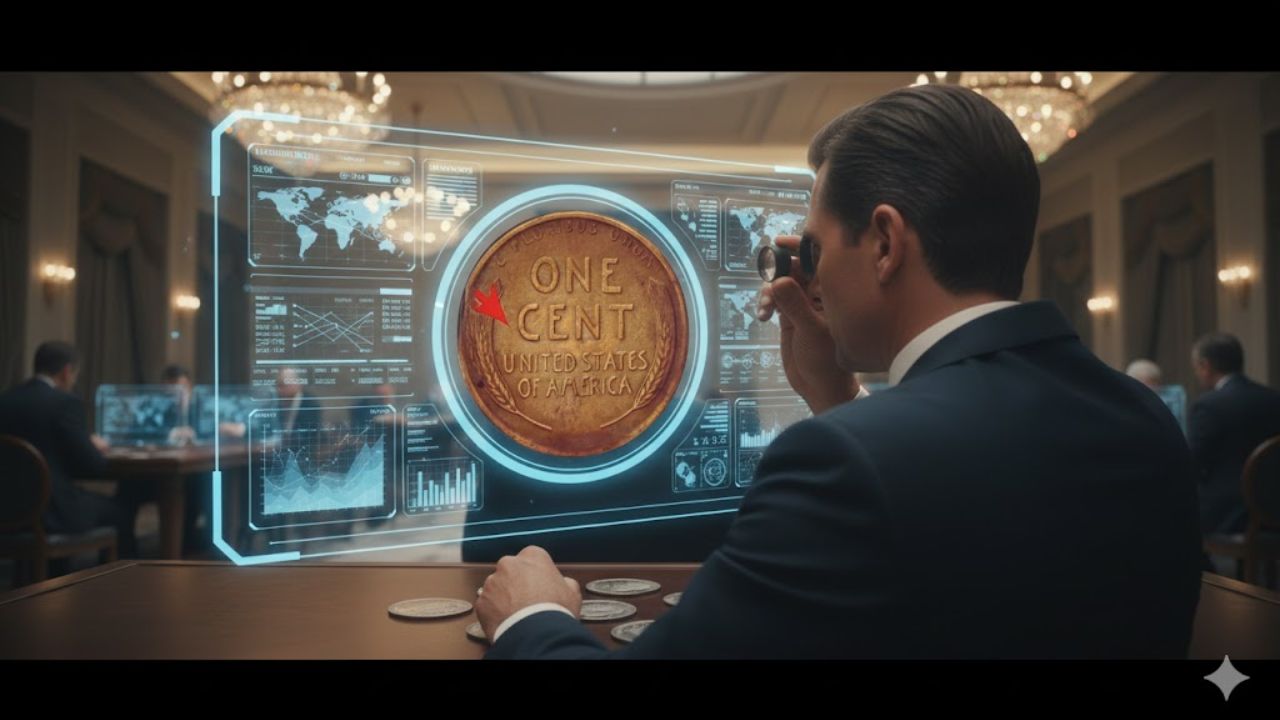
Wheat Penny Wealth: Wheat pennies, or Lincoln Wheat Cents minted from 1909 to 1958, remain a favorite among collectors for their history and potential value. Over the past 10 years (2016-2026), values have generally trended upward due to growing interest in coin collecting, online auctions, and nostalgia, though common circulated coins stay affordable while rare and high-grade ones see bigger gains.
Many dream of finding a valuable wheat penny in pocket change or an old jar. This guide breaks down trends from the last decade, what drives prices, and realistic expectations for everyday finds versus collector gems.
What Are Wheat Pennies and Why Do They Matter?
Lincoln Wheat Cents feature Abraham Lincoln on the front and two wheat stalks on the back. They were the first U.S. coins with a real person’s portrait and span major historical events like the Great Depression and World Wars.
Here’s why they’ve gained appeal over the last 10 years:

- Increased collector demand from new hobbyists via social media and online platforms.
- Professional grading (PCGS/NGC) adding premiums and trust for high-quality coins.
- The rise of copper bullion values, providing a higher “floor” for the worth of common cents.
Most wheat pennies are common, but key dates, errors, and mint-state examples drive the excitement and higher values.
Value Trends Over the Past 10 Years
From 2016 to 2026, the market shows a clear pattern: steady growth for quality coins amid fluctuating economic factors. Common circulated wheat pennies from the 1940s and 1950s have stayed relatively low-value, but their baseline has increased.
| Penny Category | 2016 Value (Approx.) | 2026 Value (Approx.) | 10-Year Trend |
| Common Circulated (1940-1958) | $0.05 – $0.15 | $0.15 – $0.35 | Slow/Steady Growth |
| Early Dates (1909-1933) | $1.00 – $15.00 | $2.50 – $35.00 | Moderate Rise |
| Key Dates (1909-S VDB, 1914-D) | $600 – $2,500 | $1,200 – $5,000+ | Strong Appreciation |
| Major Errors (1955 Double Die) | $1,000 – $5,000 | $2,500 – $15,000+ | High Demand |
| High-Grade Uncirculated (MS65+) | $20 – $100 | $50 – $350+ | Consistent Increase |
Key Factors Driving Value Changes
Several elements shaped wheat penny prices in the last decade:
- Condition and grading: High-grade (MS65+) and certified coins gained the most, widening the price gap over circulated ones.
- Rarity and key dates: Coins like the 1909-S VDB, 1914-D, and 1955 Doubled Die led the market surges.
- Market influences: Online sales, high-profile auction records, and renewed interest post-2020 boosted demand.
Common dates remained stable and beginner-friendly, while errors and varieties sparked occasional investment hype.

Most Valuable Wheat Pennies and Recent Highlights
Standout performers from the past 10 years include:
- 1909-S VDB: The “holy grail” of the series. High-grade examples now often exceed $100,000 at auction, showing steady climbs.
- 1914-D: Known for strong gains in mid-to-high grades due to its low mintage.
- 1955 Doubled Die Obverse: An error coin favorite, values rose sharply as collector focus shifted toward dramatic visual errors.
- 1943 Copper (Error): These rare transitional pieces hit six figures at auctions in 2026, with one notable specimen valued near $576,000.
Even semi-key dates like the 1922 “No D” or the 1931-S have appreciated noticeably in certified condition.
Tips for Collectors and Dreamers
If you’re sorting old coins or building a collection:
- Check dates, mint marks (D or S under the date), and errors carefully with a magnifying glass.
- Avoid cleaning your coins. Any form of cleaning or polishing reduces the numismatic value significantly.
- Consider professional grading (PCGS/NGC) only for pieces you suspect are high-grade or rare key dates.
- Store coins in PVC-free holders to prevent environmental damage or “greening.”
The wheat penny market remains accessible—common dates are great for fun, while rares continue to fuel financial dreams.

Final Verdict
Over the past 10 years, wheat pennies have proven their enduring appeal, with values rising steadily for quality examples amid growing collector interest. Common circulated coins offer affordable history at 15-30 cents today, while rares continue to excite with big auction wins. Whether for nostalgia or investment, these classic cents turn everyday finds into a collector’s dream—keep searching those jars.
Disclaimer
This guide is for informational purposes only. Coin values fluctuate based on market demand, condition, and professional grading. Always consult with a certified numismatist or professional grading service before making significant financial decisions related to coin collecting. Prices in 2026 are estimates based on current auction trends.
Would you like me to create a specific identification guide for the 1909-S VDB penny to help you spot a genuine specimen?
